
Organic vs. Ceramic MTB Brake Pads: A Real-World, Heat-Focused Comparison
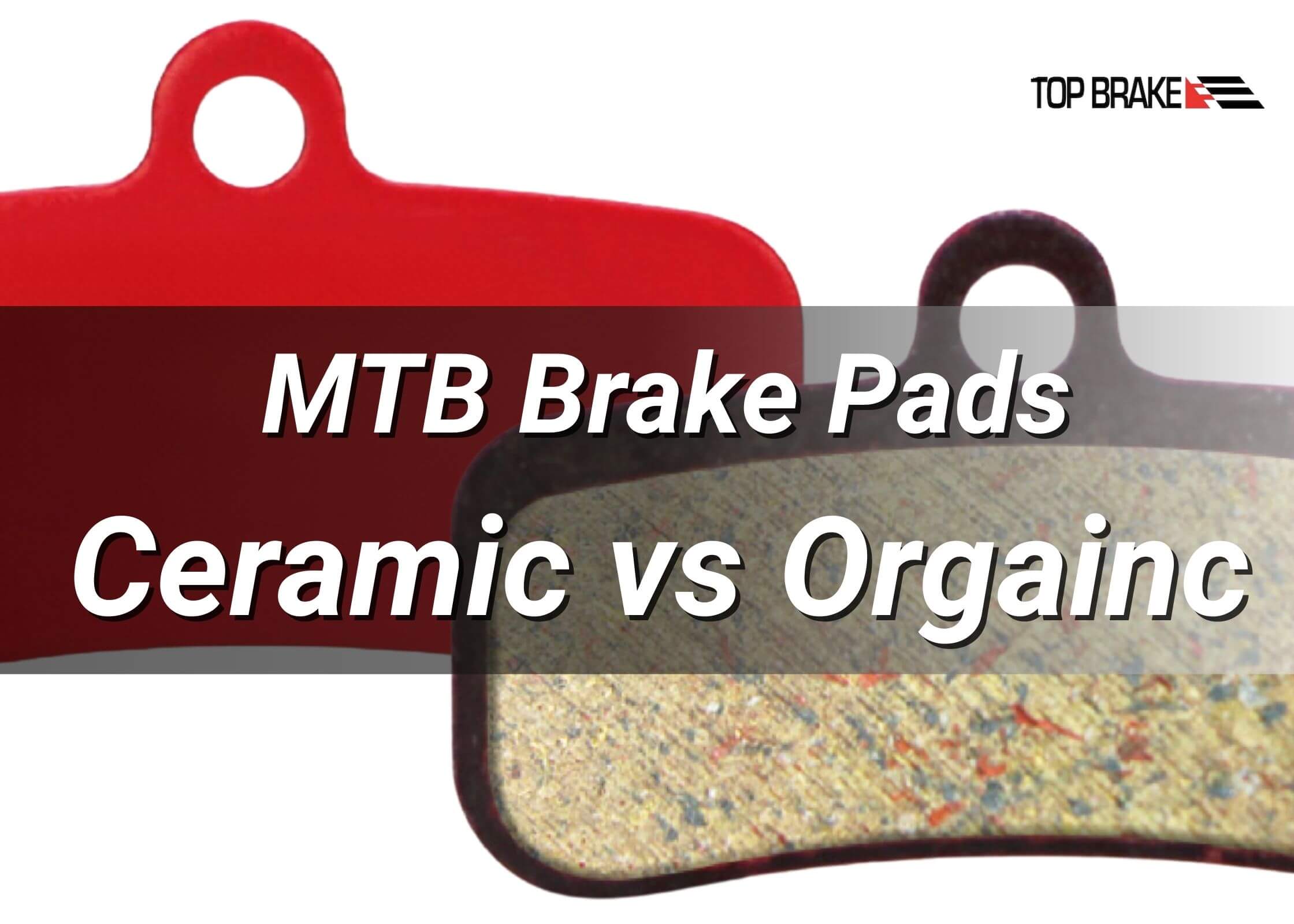
In modern mountain bike disc braking systems, the brake pad compound plays a decisive role in stopping power, heat control, modulation, noise, durability, and long-term rotor health. While marketing often promotes one compound as universally “better,” experienced riders know that pad choice is highly contextual, shaped by terrain, bike weight, riding style, and braking habits.
This article compares organic (resin-based) and ceramic composite brake pads specifically for MTB use, drawing on rider experience, independent testing patterns, and widely observed behavior across trail, enduro, downhill, and eMTB applications.
What “Ceramic” Means in MTB Brake Pads
In the MTB world, ceramic pads are not the same as automotive ceramic pads. Most MTB ceramic pads are non-ferrous composite compounds that use ceramic fibers, fillers, and performance additives (sometimes Kevlar®, carbon, or graphene) bound in a resin or semi-sintered matrix.
For context, the third major category, sintered (metallic) pads, offers extreme durability and wet performance but often at the cost of noise and increased rotor wear. This comparison focuses on organic vs. ceramic compounds, which are more commonly chosen for trail-to-gravity riding.
Friction, Heat, and Why It Matters on Real Trails
Braking converts kinetic energy into heat at the pad–rotor interface. On modern long-travel bikes, especially enduro rigs and eMTBs, rotor temperatures during sustained descents frequently exceed 260–300°C (500–570°F).
For example:
- Mark, a 85 kg rider on a 160 mm enduro bike in the Alps, regularly descends 8–12 minutes without full brake release.
- Alex, riding an eMTB on steep Pacific Northwest trails, carries more system weight and brakes harder to manage speed.
In both cases, heat management, not peak bite, is the limiting factor.
How the Compounds Behave Organic vs Ceramic
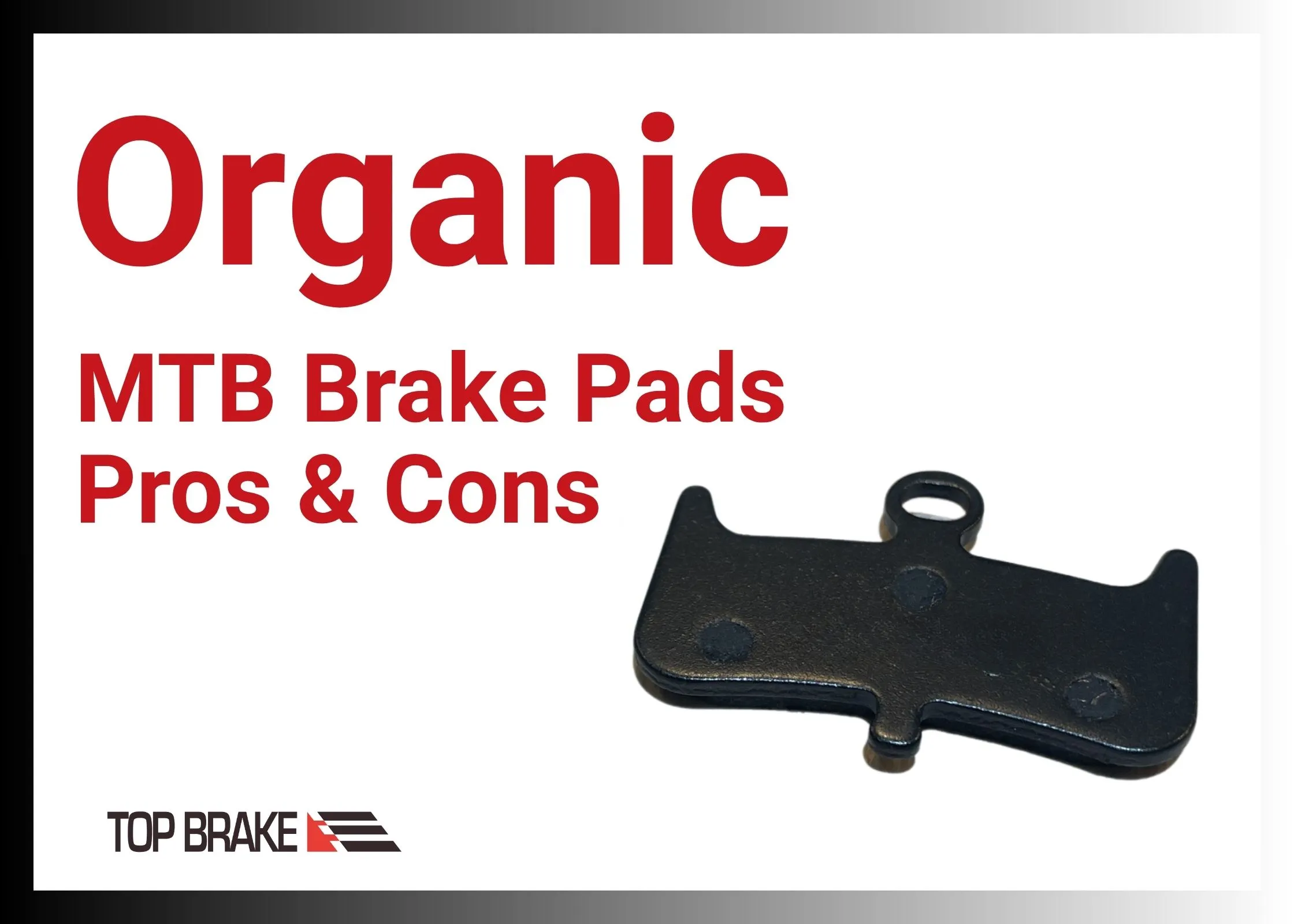
Organic (Resin) Brake Pads Strengths
- Strong cold bite
- Excellent modulation and lever feel
- Quiet, especially in dry conditions
- Gentle on rotors
- Affordable price
- Best for: Cross-country (XC) and trail riders, especially for downhill riders seeking reliable performance.
Organic (Resin) Brake Pads Limitations
- Thermal degradation above ~200–250°C
- Needs frequent replacement
- Prone to glazing and fade on long descents
- Shorter lifespan in abrasive or wet terrain
Real-world example:
James, an XC rider in Southern California, prefers organic pads for punchy climbs and short descents. His braking is intermittent, and he values quiet operation and precise control more than sustained heat resistance.
Ceramic Brake Pads Strengths
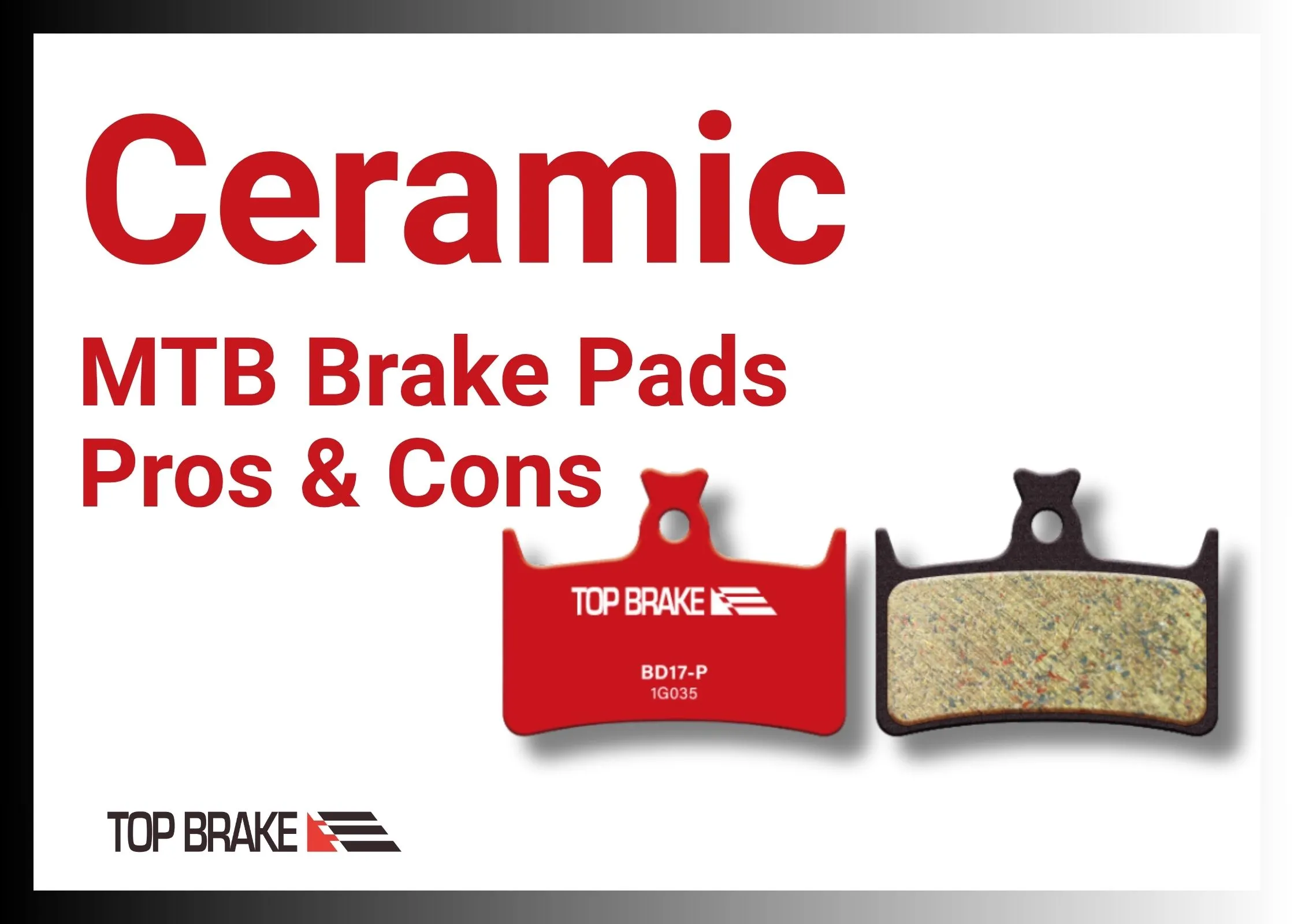
- High thermal stability (minimal fade above 300°C)
- Exceptional Initial braking performance
- Lower heat transfer to calipers and fluid
- Suitable for all types of bikes
- Good lifespan
- Best for: Cross-country (XC) and trail riders, especially for downhill riders seeking reliable performance.
Ceramic Brake Pads Limitations
- Higher upfront cost
- Can be marginally noisier if poorly formulated
Real-world example:
Sarah, an enduro racer riding steep Scottish terrain, switched to ceramic pads after experiencing lever fade halfway through race stages. With ceramics, her braking remains predictable from top to bottom, reducing hand fatigue and mental load.
Braking Strategies for Mountain Bikers: Adapting to Diverse Conditions
The diverse geography of the United States necessitates different braking strategies:
-
High Heat and Low Humidity: In areas where temperatures can exceed 100°F (37.78°C), the excellent heat dissipation of ceramic pads is crucial to prevent fluid from boiling.
-
High Moisture and Variable Grit: In the wet forests, organic pads tend to wear out quickly. Ceramic pads offer the necessary resistance to grit, ensuring consistent stopping power throughout the ride.
-
Technical and Punchy Terrain: For riders who frequently experience short bursts of braking, the quick engagement of organic pads remains a solid option. However, eMTB users in these regions are increasingly opting for ceramic pads to accommodate the added weight of their bikes.
Performance Factors That Matter on the Trail
Thermal Stability and Brake Fade
Organic pads perform well during short braking bursts but lose friction as resins degrade under sustained heat. Ceramic pads maintain a stable friction coefficient, which translates into predictable lever feel, a major safety and fatigue factor on long descents.
Modulation and Control
Many technical riders prefer the softer engagement of organic pads. Ceramics feel firmer and more consistent, which some riders interpret as “less lively” but others value for confidence at speed.
Noise and Cleanliness
Both compounds are quieter than sintered pads. Organics remain the quietest in dry conditions, while well-designed ceramic pads stay controlled across mixed environments.
Longevity and Total Cost of Ownership
While organic pads are cheaper initially, frequent replacement in wet or high-heat conditions increases long-term cost. Ceramic pads often deliver more riding hours per set and reduce heat stress on brake fluid and seals, especially on heavier bikes.
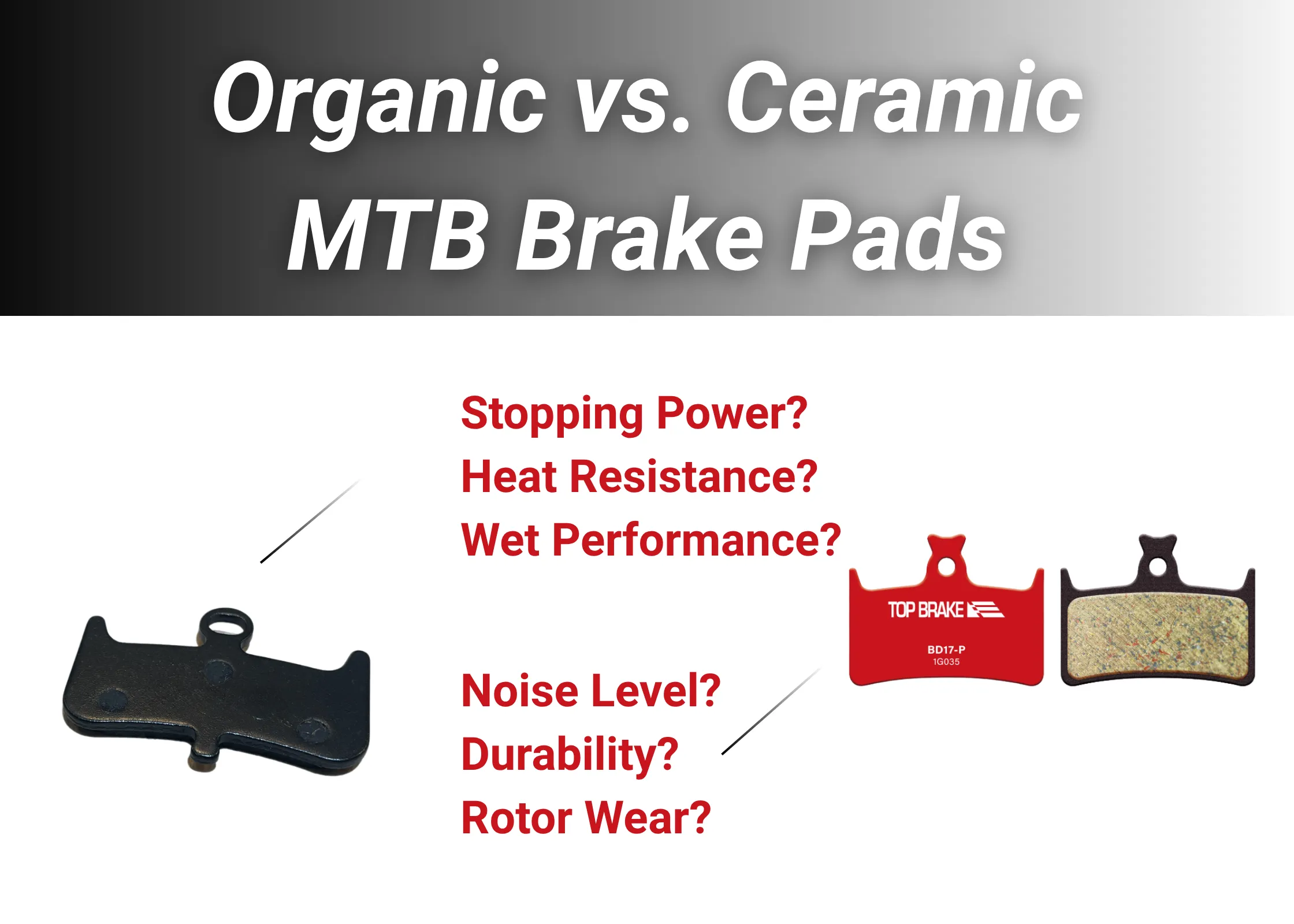
MTB Brake Pafs Comparison of Organic and Ceramic
| Feature | Organic | Ceramic | Real-World Insight |
|---|---|---|---|
| Price | $ | $$ | Ceramic pads cost more upfront but often last longer under heavy use. |
| Stopping Power | Medium | High | Ceramics maintain stronger braking on long or steep descents. |
| Heat Resistance | Low | High | Heat buildup causes organic pads to fade sooner during sustained braking. |
| Wet Performance | Low | Medium | Ceramic pads recover grip faster after water or light mud exposure. |
| Noise Level | Quiet | Quiet–Medium | Organics are quietest in dry conditions; well-designed ceramics stay controlled. |
| Durability | Low | Medium | Ceramics resist wear better on abrasive trails and heavier bikes. |
| Rotor Wear | Low | Low–Medium | Quality ceramic pads form a transfer layer that helps protect rotors. |
| Best For | XC, Light Trail | XC, Trail, Downhill | Pad choice should match terrain, bike weight, and descent length. |
Patterns synthesized from rider reports and independent brake testing discussions up to 2015–2024.
Choosing the Right Pad for Your Riding
Choose Organic Pads if you:
-
Ride XC or light trail terrain
-
Brake intermittently
-
Prioritize quiet operation and smooth feel
-
Ride mostly dry conditions
Choose Ceramic Pads if you:
-
Ride enduro, downhill, or eMTB
-
Face long or steep descents
-
Carry more system weight
-
Want consistent braking under heat
- Choose Top Brake Performance Series employs an advanced high quality ceramic and KEVLAR® materials, delivering exceptional heat resistance, structural strength, and enhanced wear durability for demanding braking applications.
Many experienced riders run mixed setups, for example, ceramic pads in the rear for heat management and organic or semi-metallic pads in the front for initial bite.
Frequently Asked Questions: Organic vs. Ceramic
1. Which compound offers the quietest braking performance?
2. Why do Organic pads wear out faster than Ceramic options?
3. Are Ceramic pads suitable for cold starts and daily commuting?
4. How does wet weather affect the efficiency of these compounds?
5. Will switching to Ceramic pads increase the wear on my rotors?