
What is MTB Downhill & Its Braking Challenges?
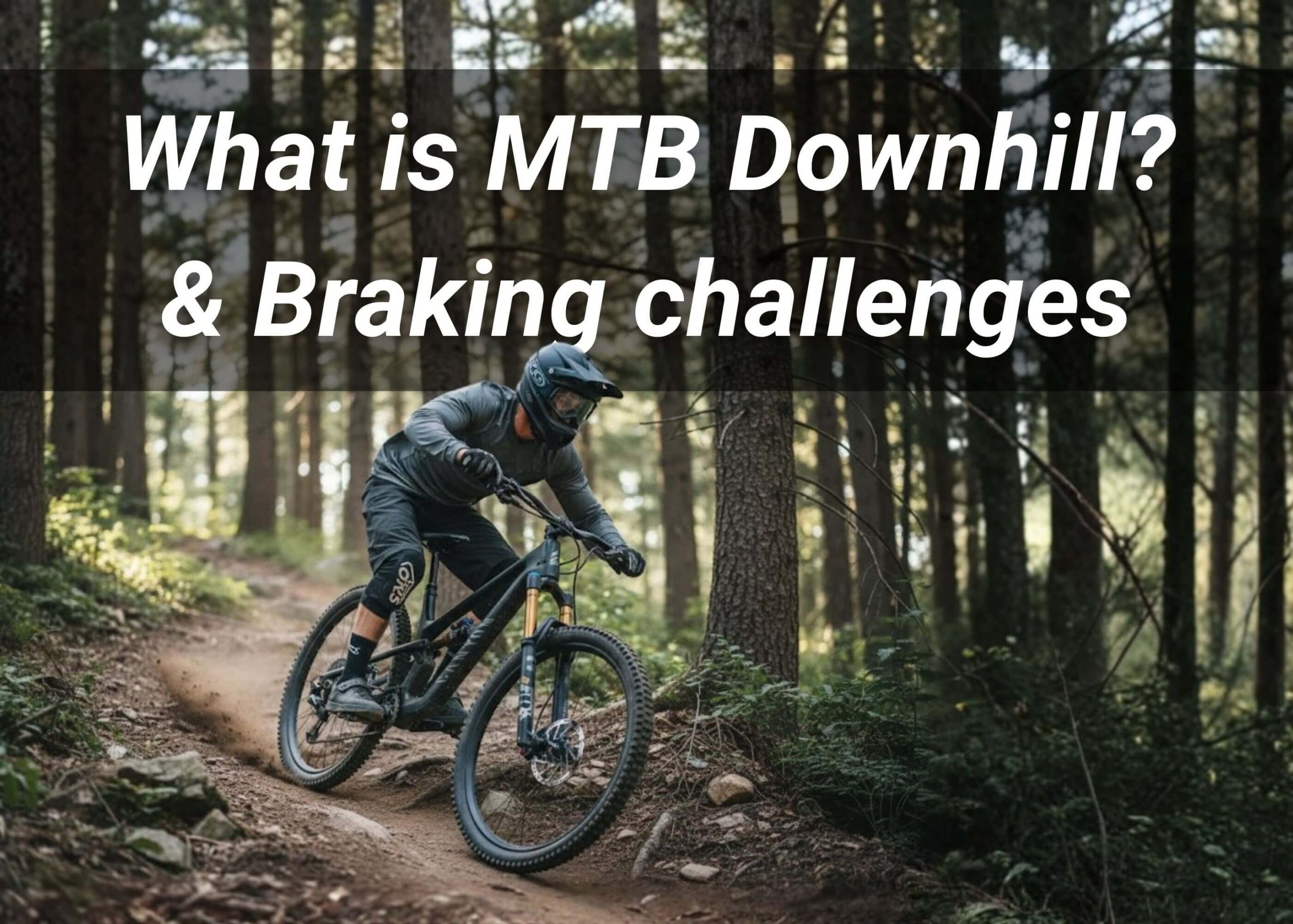
Downhill mountain biking is a discipline defined by gravity, speed, and technical challenge. Unlike cross-country or trail riding, the objective is singular: navigating a marked course from top to bottom in the fastest time possible. This pursuit places intense, unique demands on the athlete, the bike, and critically, the braking system.
Intensity of Downhill Mountain Biking
Downhill courses are characterized by steep gradients, massive obstacles, and high commitment speeds. These trails typically include large jumps, steep rock gardens, drops, and complex root sections. The bikes used are specialized, long-travel, full-suspension machines (usually 200mm travel or more) built for absorbing huge impacts and maintaining stability under pressure.
This environment requires riders to maintain exceptional speed while having the ability to scrub large amounts of momentum instantly. The brake system is not merely for stopping; it is the primary tool for speed modulation and control, directly dictating the line a rider can choose and the speed at which they can execute it.
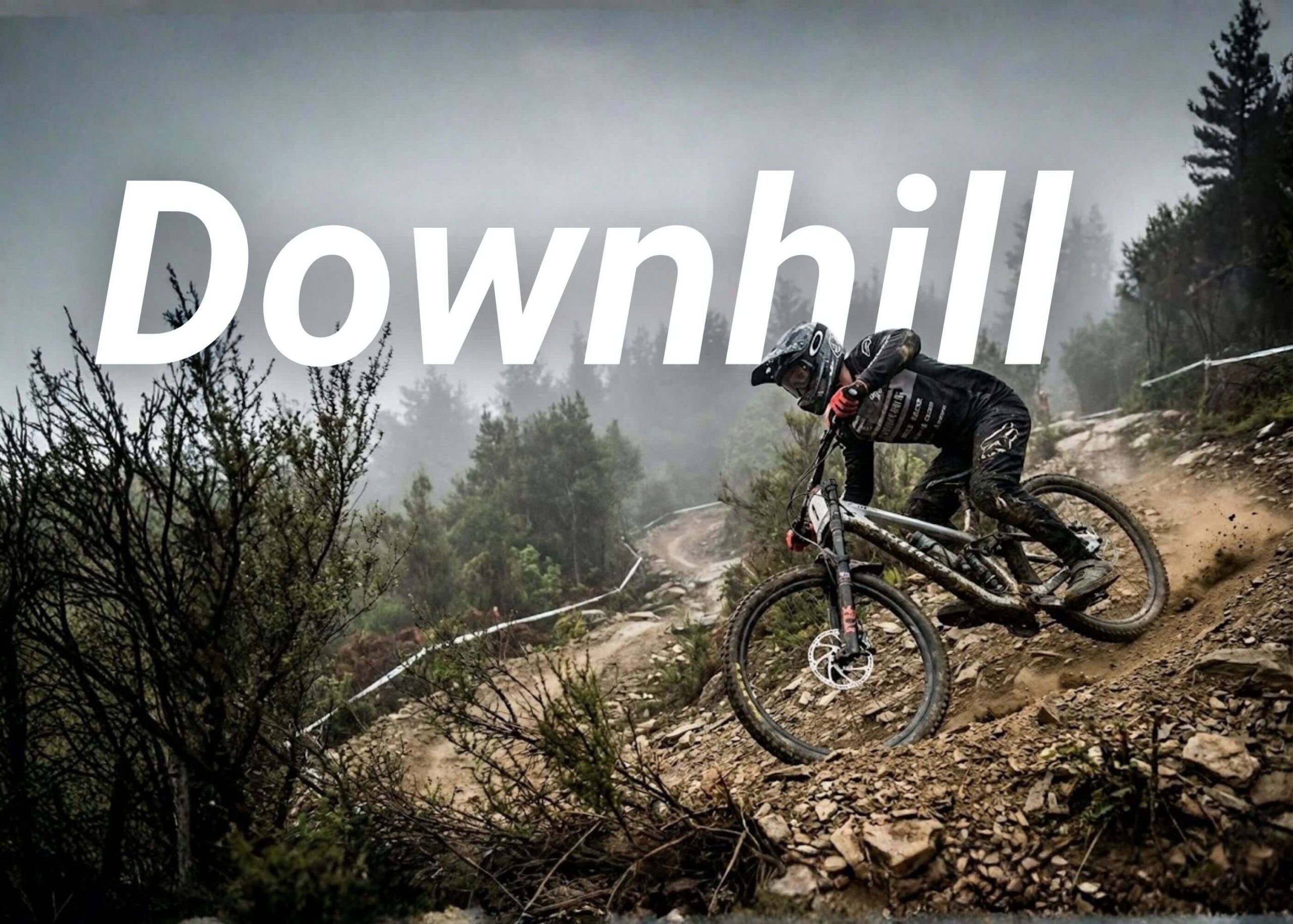
Braking Challenges Unique to Downhill
The physics of DH riding creates extreme conditions that quickly exceed the capacity of standard components:
-
Massive Kinetic Energy: Due to high velocities and the steepness of the terrain, a DH bike generates immense kinetic energy that must be absorbed. The brakes convert this energy into heat, requiring sustained performance under extreme thermal load.
-
Brake Fade Risk: On long descents, heat builds up rapidly in the rotor and pad material. If the pad compound cannot dissipate heat or maintain its friction properties under high temperature, the braking power diminishes, a dangerous phenomenon known as brake fade.
-
Demand for Modulation: At speeds exceeding 50 km/h, the rider requires not just raw stopping power, but precise, consistent modulation. The ability to finely control the wheel speed without locking the tires is essential for maintaining traction and steering through technical sections.
Choosing Brake Pads for Downhill
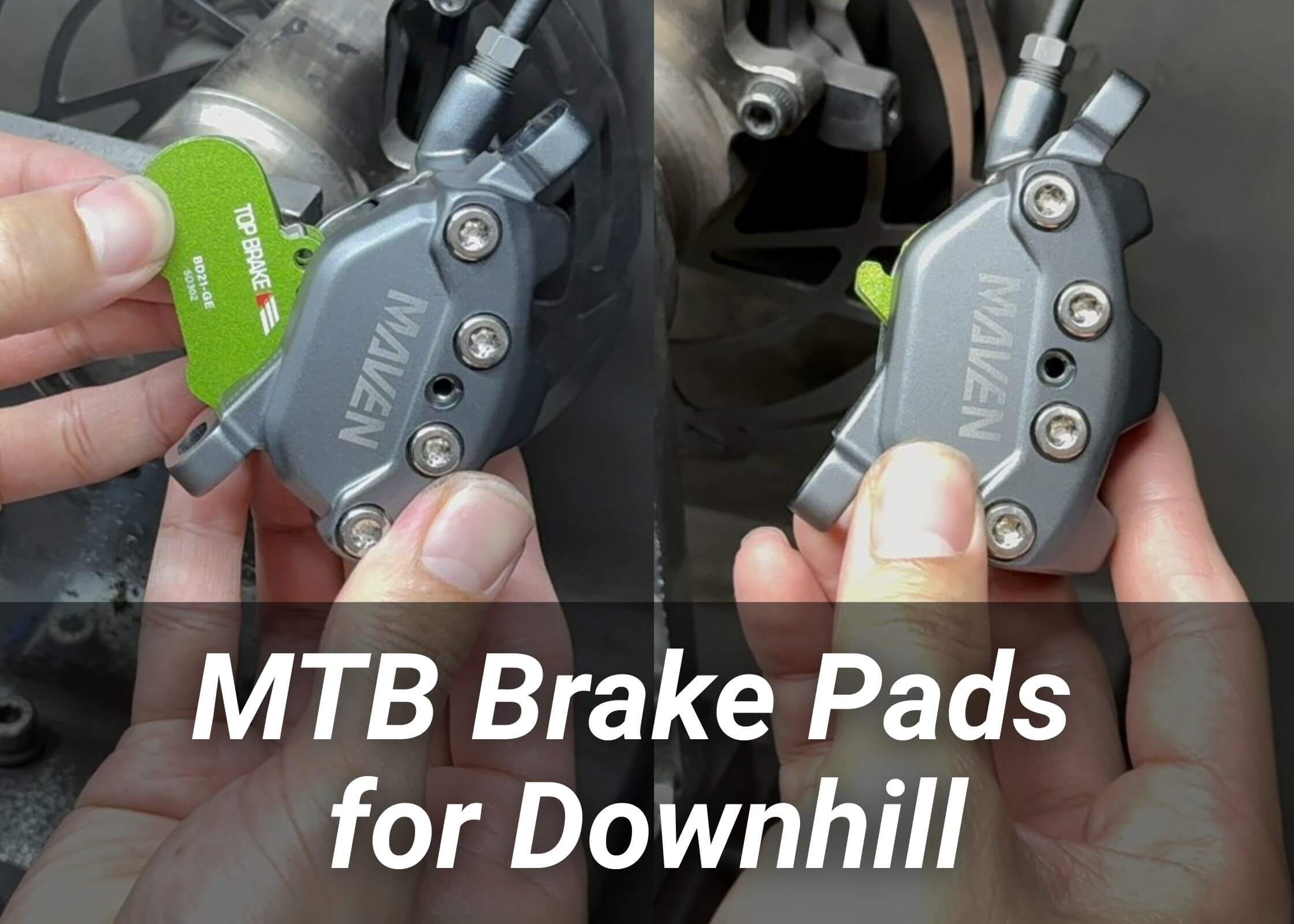
The extreme demands of DH racing require pads that prioritize maximum power and thermal stability. While many formulations exist, gravity specialists often seek out premium solutions engineered specifically for these high pressures.
For riders aiming for peak performance in downhill conditions, the Top Brake GraphEX series offers an essential blend of advanced materials featuring graphene and exceptional stopping power.
-
High Stopping Power: GraphEX compound is engineered for a high friction coefficient, translating maximum momentum into immediate and forceful deceleration required on steep courses.
-
Superior Heat Dissipation: Incorporating graphene, the pad effectively manages heat, preventing brake fade and ensuring consistent braking power during long descents. (Learn about MTB brake pads heat management)
-
All-Weather Performance: The predictable friction characteristics of the GraphEX material ensure that power and modulation remain reliable across varied track conditions, providing unwavering confidence regardless of whether the environment is dry or wet.
This focus on extreme capability ensures the rider has the consistent, precise control needed to navigate the steepest and fastest sections of any DH course.
The performance envelope of downhill mountain biking leaves no room for compromise. By understanding the intense thermal and kinetic challenges of the discipline, riders can correctly select brake pads that deliver the consistent, powerful control necessary to push limits safely on the steepest and fastest trails.